
Voices in Policy (VIP) - CYAN Youth Advocacy Conference and City Council Meeting
Conference Structure
This July, some of SacBreathe’s Youth Board’s members and coordinators attended CYAN’s Statewide Youth Advocacy Conference in Santa Cruz. CYAN stands for California Youth Advocacy Network, a nonprofit with its own Youth Board that hosts the annual event Youth Quest.[1]
Figure 1: Set-up for our lessons during the conference!
The four-day conference consisted of lessons about anti-tobacco policy and advocacy. During the conference, we pretended to belong to a county named ‘Solaris,’ which used data from real counties in California. We were organized into different coalitions that would work towards enacting certain policies. Adults at the camp role-played as ‘supervisors’ in our districts and other community members. On the last day, we made a public comment to the Board of Supervisors, convincing them to support certain policies. Between the conference activities, we enjoyed classic camping activities in the redwoods like hikes and campfires.
Ordinance Background
The mock county of Solaris already had a tobacco retail licensing requirement, or TRL, in place, which was limited to a one-time license fee and gave stores the provisions to operate within 250 feet of schools and youth centers. Working with one of our mock ‘supervisors,’ our coalition’s goal was to pass an ordinance expanding this TRL to restrict tobacco retailers to being within 1,000 feet of schools, revoke their ability to transfer their licenses after selling their stores, and ban tobacco sales in pharmacies, to name a few. This new ordinance mimicked current Sacramento City legislation aimed at reducing retailer density and increasing enforcement of laws through annual licensing fees. It was built to give us participants a better understanding of the ordinance framework and what considerations must be made before passing one.
Our PSA
Part of our public comment included creating a minute-long Public Service Announcement (PSA) to sway the board through media. PSA’s typically serve as a memorable and effective way to convey a message, which in our case was to spread awareness of the harms of commercial tobacco and density in the community. Throughout making the skit, we learned the importance of balancing engagement and information, using a mix of comedy and statistics to entertain our audience, while at the same time educating our Board of Supervisors on this important issue. SacBreathe’s Youth Advocacy Board hosts their own youth PSA contest for middle and high schoolers across the area that opens in August; this is a great opportunity to hone and fine-tune your own PSA and media advocacy skills.
Check out Breathe’s conference PSA here! http://youtube.com/watch?v=tDay0qvCO8w&feature=youtu.be
The Advocacy Process
As a part of the TRL track, our coalition observed the mock convenience store to identify tobacco products. We asked the store’s ‘owner’ questions about their products. This mirrored real-life retail observations, such as those done to evaluate whether the Healthy Food Exemption was efficient.[2]
Additionally, we met with our supervisors to convince them to pass the new TRL. This roleplaying was similar to CYAN’s Youth Quest event, where we met with legislators to inform them about the harms of youth tobacco use. At the conference, however, we were able to lobby and directly ask the supervisors to support the TRL.
Talking with the supervisor who leaned towards ‘no’ was tricky, since they were more likely to be a confirmed ‘no’ vote than the other supervisors. We had to present tangible evidence of community support for TRL, such as a letter of support and petitions from both District 4 and 5 of Solaris County. This in turn helped us convince a supervisor who leaned towards ‘maybe,’ since it reflected what the community wanted.
Throughout the buildup to the county meeting, it was important for our small section to collaborate with the large coalition working on passing the ordinance. This was crucial because we had to divide up our roles during the public comment and ensure our visits to supervisors and the community were effective. We split up parts of the ordinance to cover during our public comment, with our sub-group detailing the density and proximity regulations of the ordinance, as well as why it was important for pharmacies to remove tobacco products from their shelves. Our coalition also worked together to confirm our negotiables and non-negotiables for the ordinance, or portions of the proposal that we were willing, or unwilling, to compromise on. This allowed us to take feedback from the supervisors while also standing our ground on the portions of the ordinance we believed were essential, an important process to go through while advocating!
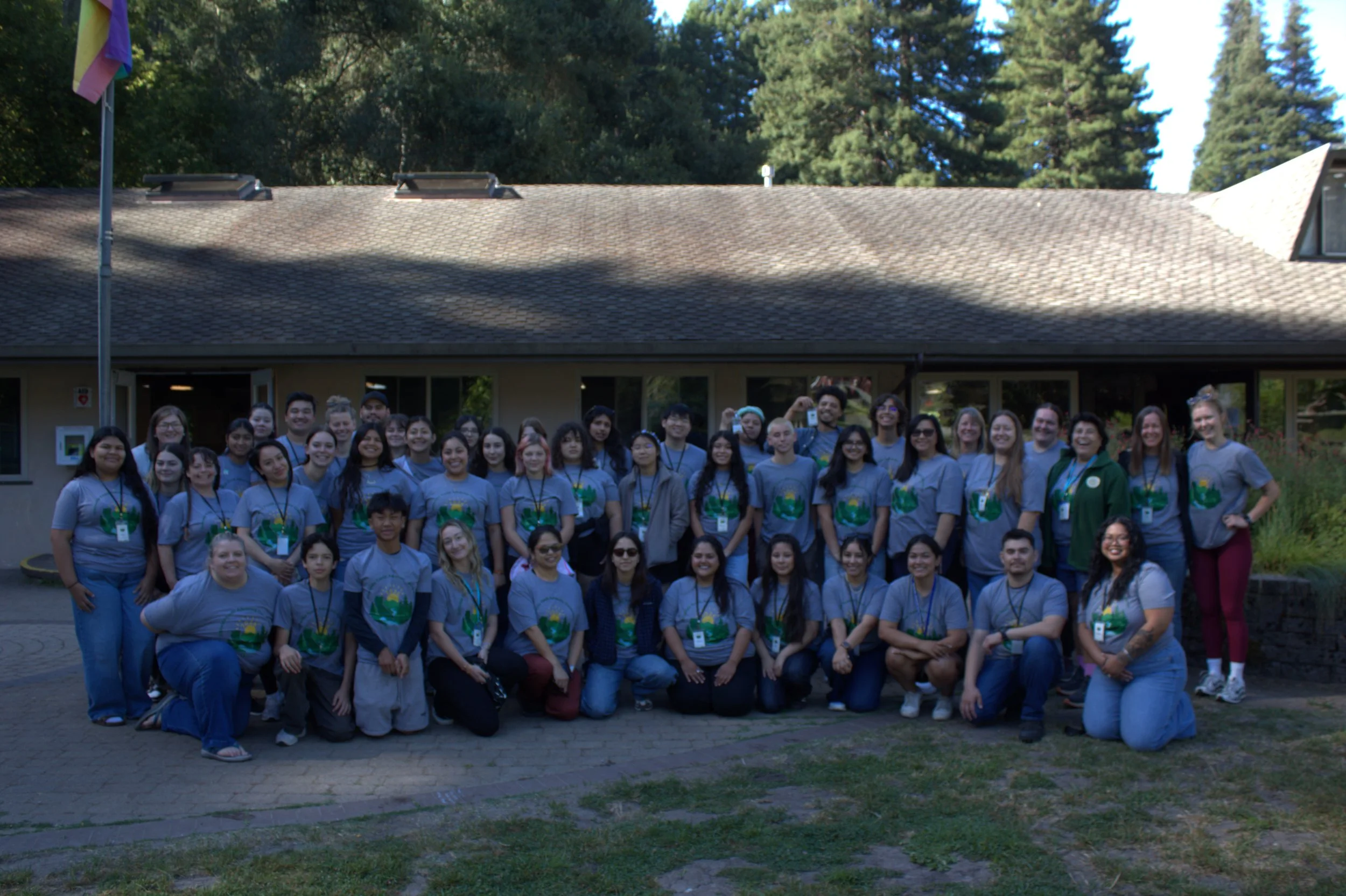
Figure 2: Conference participants and staff after our final Board of Supervisors meeting
On the final day, we made a public comment to the mock board of supervisors. Our coalition talked about the effects of tobacco retailers’ proximity to youth areas and the concerns about pharmacies selling tobacco products. We answered a question from a supervisor about whether local storeowners supported the TRL by referencing our letter of support. The vote passed, with three ‘yeses,’ one ‘no,’ and one ‘abstain.’
Recreation & Memories
Nandika: Despite all the learning and advocating, this conference was filled with enjoyable activities both to get to know other coalitions and take in the surrounding scenery. My favorite parts included playing volleyball on the cool sand, hiking through the forest filled with lush trees, and playing an intense game of mafia with s’mores around the campfire. At first, a conference that consists of spending busy days with strangers in the woods seems daunting, but after this conference, I left with experiences and memories that I’ll continue to cherish!
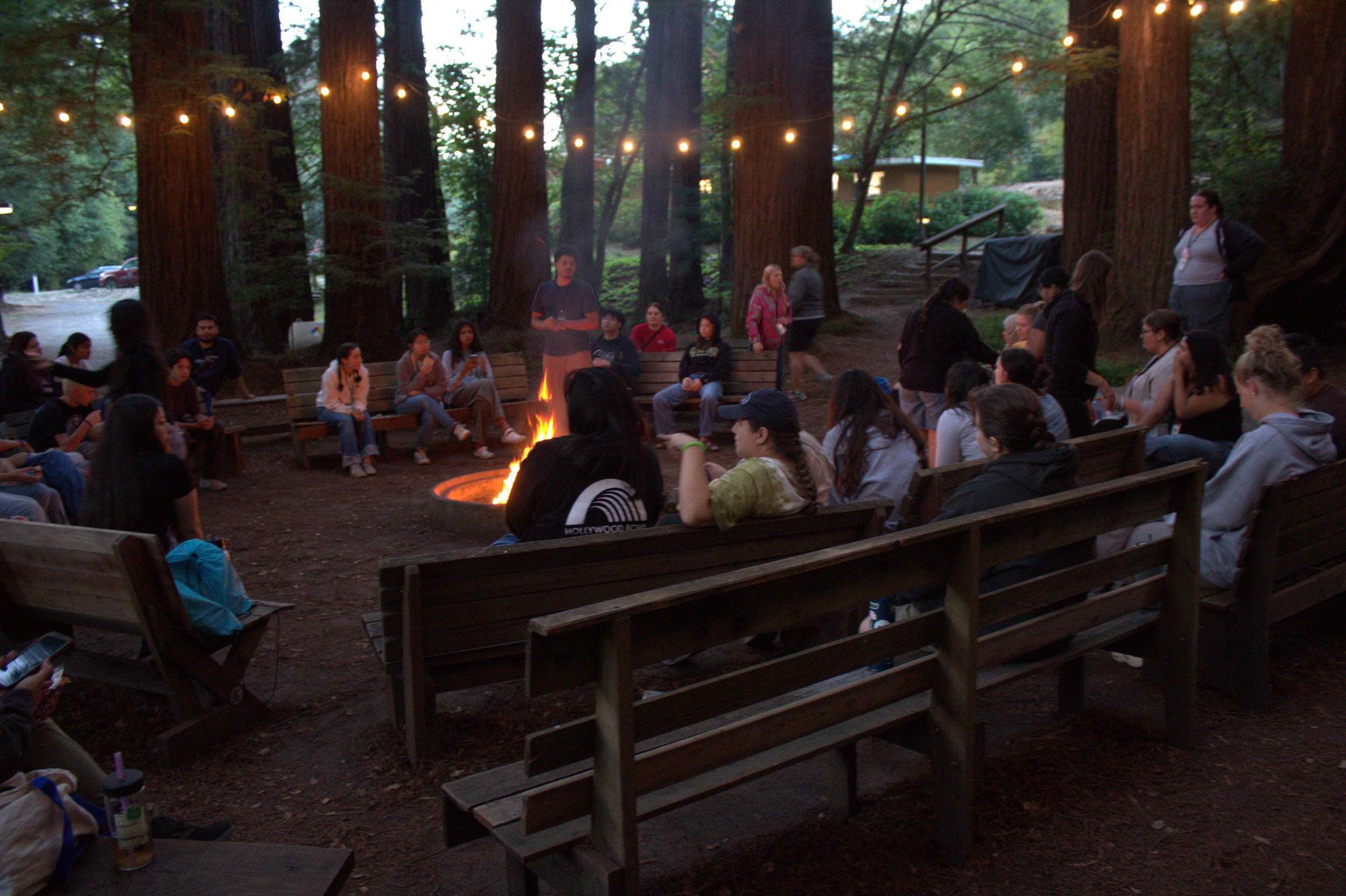
Figure 3: Our campfire on the second night filled with games and s’mores!
Olivia: Making the PSA video and being a part of other people’s PSA videos was also fun! Another group held a fake wedding at the Redwood Cathedral (a shaded area with wooden benches) for their PSA. The wedding was crashed by our roleplaying Tobacco Lobbyist in a very dramatic fashion. The campfire was a hit, so was the magic routine at the talent show, as well as the many arts and crafts.
Community Action: Sacramento City Public Comment
Meisi: Sacramento City Council voted to end the city’s Healthy Food Exemption after UC Davis research found that it was a loophole for tobacco sales rather than improving access to healthy food. During the City Council meeting to decide on this ordinance, I provided a public comment alongside many UC Davis researchers and students, and people who supported this exemption. To prepare, I researched the exemption, reviewed important data and talking points, and created a two-minute speech that connected the issue to my personal experiences seeing youth vaping in my high school restrooms, and to my understanding of the impact tobacco access can have on young people. Before giving my speech, I rehearsed it on my own and practiced with Sharon. When they called me to speak, I became pretty nervous; however, I was still able to share my full message. Afterward, I was unsure whether my voice had made an impact, but shortly after, the City Council voted to remove the exemption. Seeing this decision showed me the power of youth advocacy and how speaking up can contribute to meaningful policy change. This is only the beginning of reducing tobacco access, protecting young people, and building healthier communities.
Final Takeaways
It’s important to remember that every voice matters, both when creating legislation and advocating for it. We learned throughout our time lobbying against the spread of tobacco and towards increased limitations on tobacco retailers that the business owners selling tobacco products weren’t the enemy in the slightest. They were simply hard-working residents pursuing careers to make a living, but most urgently, members of our community. Instead of working to shut down their businesses, we came to understand that we should hear out their concerns about the ordinance and its implementation. Instead of talking about them behind closed doors, we discovered the importance of communicating with them face-to-face. Additionally, we realized how strong the youth voice, or even the voice of a parent, teacher, or small coalition could be in persuading the board. The public is allowed to voice their comments to the board of supervisors so that they can serve the public. All of these opportunities are open to everyone, and just as we did throughout this conference, we aim to utilize the tools we’ve gained and skills we’ve learned to become advocates and make a difference in our community.
Written by: Nandika T., Olivia T., Meisi X.
Edited by: Alex M. and Reeya D.
[1]https://www.cyanonline.org/youth-advocacy-conference
[2]Sacramento Closes the Healthy Food Exemption Loophole, Strengthening Tobacco Retailer Licensing Policy! – SOL – Saving Our Legacy
