
Indoor Air Quality: Keeping Your Home Healthy This Winter
As the winter months approach, many of us will spend more time indoors. We're sharing indoor air quality information to keep you and your loved ones healthy this season (and beyond).
Figure 1: Getty Images of candles
What Is Indoor Air Quality (IAQ)?
According to the EPA, "Indoor Air Quality (IAQ) refers to the air quality within and around buildings and structures, especially as it relates to the health and comfort of building occupants."[1]
IAQ impacts healthy adults and vulnerable populations (older adults, children, and people with chronic conditions, among others), so it's important to understand how to improve IAQ based on your needs. Improving IAQ can:
Reduce respiratory illness symptoms
Provide respite from poor outdoor air quality and wildfire smoke
Reduce pet dander and dust
We spend nearly 90% of our time indoors.[2] Unlike outdoor air, indoor air has less volume to disperse harmful particles, allowing them to build up over time. Increased exposure to air pollutants for extended periods can contribute to allergies, headaches, respiratory issues, and chronic lung conditions such as asthma and other respiratory diseases.2
Factors Impacting IAQ
Many everyday activities can affect IAQ in your home, including but not limited to:
Outdoor air quality conditions such as construction dust, wildfire smoke, and traffic-related pollution
Cooking, especially frying food or using gas stoves
Household cleaners, air fresheners, and candles
Mold and moisture issues
Large amounts of carpeting, upholstered furniture, and other soft surfaces that can trap allergens
Pet dander, dust, and other allergens
Indoor wood-burning or gas fireplaces
By understanding the possible sources of indoor air pollutants, you can determine which mitigation efforts will work best for you and your loved ones.
Get Started with Two Simple Steps to Improve the Air in Your Home
Step 1: Identify Potential Sources of Indoor Air Pollution
Take a moment to look around your home and identify which sources may affect your indoor air quality.
If anyone in your household has asthma or another chronic respiratory illness, your healthcare provider may offer a home visit program to help identify and reduce indoor air pollutants.
Step 2: Choose Appropriate IAQ Improvements
Based on the conditions in your home, decide which IAQ improvements are most appropriate and feasible for you.
There are several steps you can take to improve IAQ in your home, workplace, or school. Below are a few simple solutions:
Use air purifiers in your home. Be sure to select the appropriate filter based on the type of particles you want to reduce. For example, paint fumes require a different type of filtration than dust.Also check to be sure the purifier’s capabilities match the square footage of the room or rooms in which it is used.
Consider adding houseplants to help improve your indoor environment, balance moisture levels, and support overall well-being.
Replace gas-powered appliances, such as water heaters and cooktops, with electric alternatives when feasible.
Switch to low-VOC, non-toxic, and fragrance-free cleaning products whenever possible.[3]

Figure 2: Courtesy of Philip Jackson/N.C. Forest Service
Additionally, we recommend checking local Air Quality Index (AQI) forecasts to make informed decisions about when to open or close your windows. During wildfire smoke events or periods of poor outdoor air quality, keeping windows closed and running a high-quality air purifier can help protect indoor air.
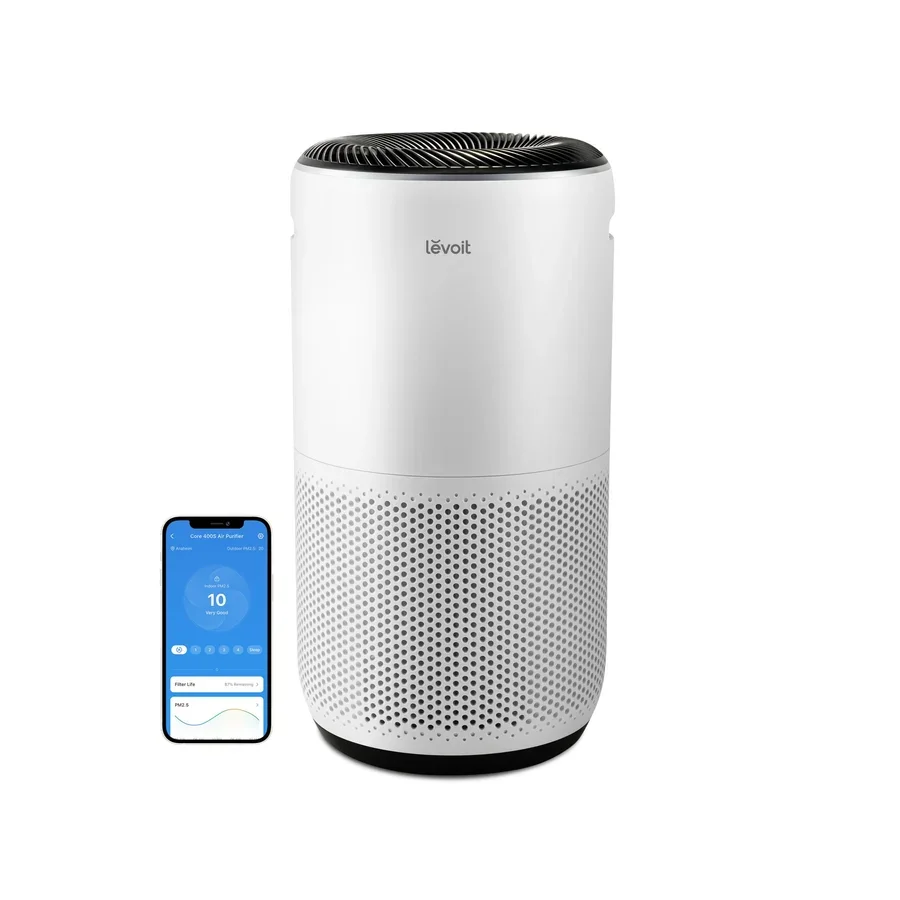
Figure 3: Levoit air purifier
Some insurance carriers and local utility providers may offer free or reduced-cost access to IAQ improvements, including air purifiers, rebates for electric appliances, or even trees to help shade your home and improve the surrounding environment.
Clean Air Matters Year-Round
While winter often means spending more time indoors, indoor air quality is important throughout the year. Small changes, such as improving ventilation, reducing pollution sources, and using air filtration when needed, can make a meaningful difference in your health and comfort.
By understanding what affects indoor air quality and taking proactive steps to improve it, you can help create a safer, healthier home for yourself and your loved ones.
Written by: Sydney Hodge
[1] EPA Website: https://www.epa.gov/indoor-air-quality-iaq/introduction-indoor-air-quality
[2] EPA: https://www.epa.gov/indoor-air-quality-iaq/factsheet-what-indoor-air-quality
[3] American Lung Association: https://www.lung.org/clean-air/indoor-air/protecting-from-air-pollution
