
Sacramento Breathes Better Together
Introduction
The state's largest clean air event, California Clean Air Day, falls on October 7, 2026. As Clean Air Day approaches, let's reflect on how far Sacramento has come in terms of air quality.
The Sacramento region's air quality has improved tremendously over the last couple of decades. Thanks to changes in policy, technology and everyday habits, the region's residents now breathe cleaner air than the smoggy, polluted air of years past. Community-based organizations made this progress possible, along with the relationships they built over the years to educate the public about why change was necessary.
We have worked closely with government agencies such as the California Air Resources Board (CARB), Sacramento Metropolitan Air Quality Management District (SMAQD), Sac County Dept. of Public Health, as well as state and local policymakers. We appreciate the collaborative environment to achieve cleaner air alongside our many community-based organization partners.
How was Sacramento’s Air in the Past?
Historically, pollution levels in Sacramento have ranked among the worst in the United States. In the American Lung Association’s 20th annual State of the Air Report in 2019, Sacramento placed fifth for the worst national Ozone Pollution and 15th for Short-Term Particle Pollution. In the 2026 State of the Air Report, Sacramento has shown significant improvements, moving to number 16 on the top 25 Cities Most Polluted by Ozone list. Among the 25 cities that ranked the worst for ozone pollution in the 2026 State of the Air Report, Sacramento was the only city which reported its lowest number of unhealthy ozone days ever recorded.[1]
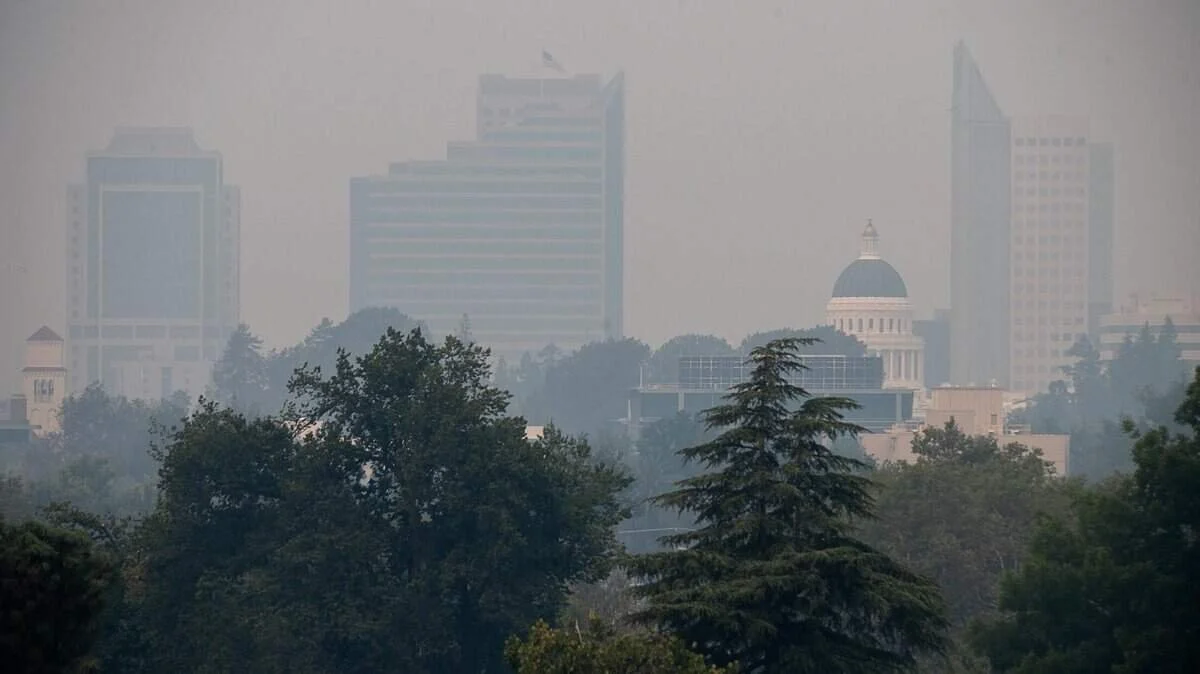
Figure 1: Image of Sacramento smog sourced from Sacramento Bee
Furthermore, officials at the SMAQMD state that pollution levels in Sacramento have decreased by more than 30% since the early 2000's. Evidence of these improvements are displayed throughout the region’s Spare the Air data. [2]
The Spare the Air program was created in Sacramento in 1995 to educate the public about smog reduction and overall air quality. A "Spare the Air" day is declared when the Air Quality Index (AQI) exceeds 126. Looking back to 2016 and 2017, Sacramento had 17 Spare the Air days. In 2018, advisories were issued over 20 days. In more recent years, Sacramento has shown significant improvements with only two Spare the Air days in 2025, and one for the first half of 2026. [3]
Changes Made in Sacramento
Air quality improvements across the region are the result of many initiatives, policies, partnerships, and significant investments in technology and strategies. Programs like Our Community Car Share (OCCS), that introduced cleaner, electric options to the community impact the region’s air quality while educating the public about clean energy alternatives. It is essential that the community understands and feels informed when it comes to choosing electric options to their everyday essentials, and programs like OCCS, Clean Mobility in Schools, Clean Cars for All, etc. help normalize the switch from combustion to electric.
One innovative collaborative effort that began in 1986 is the Clean Air Partnership (CAP). This partnership brings together Breathe California Sacramento Region, the Sacramento Metropolitan Chamber of Commerce and Valley Vision under a shared goal to improve air quality in the Sacramento region while protecting public health, enhancing equity, and promoting economic growth.[4] In support of this goal, the CAP partners engage in outreach and education, policy advocacy, and air quality research. Through these activities, CAP focuses on reducing mobile source emissions, nitrogen oxides, carbon dioxide, and small particle pollutants. [5]
Figure 2: CAP Contributors
Where is Sacramento’s Air Quality Now?
The work isn’t quite finished yet; clean air needs to reach every community. Pollution in Sacramento has seen a steady decline, even with Sacramento’s steady population increase. However, Sacramento still needs to meet particle pollution standards and a newer, more health-protective ozone standard, and the region’s air district hopes to reach them within the next six years.
Some neighborhoods carry heavier pollution burdens than others. The air quality in historically underrepresented communities harms those that reside and work in these spaces. Long-term exposure can trigger lung health issues. This is why it was imperative for Sacramento to focus on communities that face greater health risks. The South Sacramento-Florin Community met over several years to identify and understand pollution sources and composition in their area. As a result, an Emissions Reduction Plan (CERP) was presented to SMAQMD and approved in August 2026. The CERP identifies strategies to achieve better air quality in underrepresented communities and lower the amount of lung health issues (like asthma!) for folks residing in these communities.
"Emissions from mobile sources including single occupancy vehicles and trucks contribute to 70% of the air pollution in the region. In recent years, vehicle electrification has been on an upward trajectory. In January 2026, the California Energy Commission reported that new zero-emission vehicle sales have grown more than 300% in California since 2019 [6].
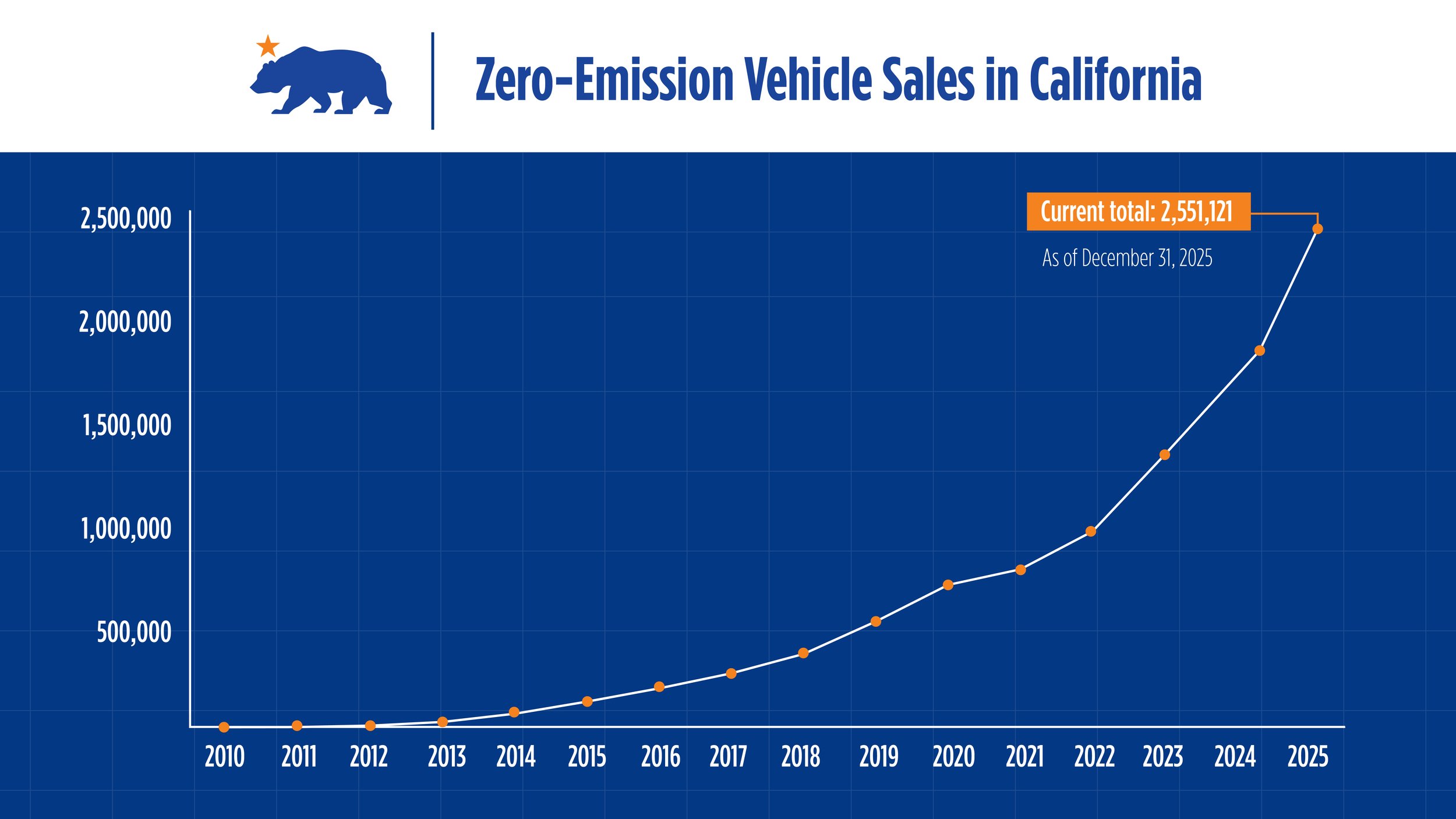
This increase could be in response to incentive programs like Clean Cars 4 All, which offers incentives to income-qualified residents in the Sacramento region. Participants may be eligible for up to $12,000 to transition to a new or used electric vehicle. Individuals can learn more about the available incentive programs and qualifications by visiting the Access Clean California benefits finder[7].
The rise in electric vehicle usership could also be attributed to the Sacramento Electric Vehicle Blueprint which delivered several clean transportation initiatives including the installation of 34 level two chargers and the expansion of the Our Community CarShare program, which has provided more than 650 households with access to electric vehicles[8].
California has set a goal of reaching 5 million zero-emission vehicles on California roads by 2030, with the California Energy Commission investing nearly $100 million toward transportation projects each year[9].
Looking Ahead
Sacramento’s air looks a lot different from the smog-heavy days that once put the region as one of the worst polluted cities in the nation. Spare the Air advisories have dropped significantly over the years, and more residents are switching to electric (whether in their vehicles or by electrifying appliances at home). This progress came from years of policy work, community partnerships, improved technology and residents learning about the impact of changing their everyday habits.
The work isn’t finished. Some neighborhoods continue to carry a heavier share of the pollution burden and the increased health risks that comes with living in these areas. Establishing clean air for everyone requires greater, continued collaboration. To keep our air clean, we will need to continue investing in clean technologies, providing equitable access and building communities that are people-centered not auto-centric.
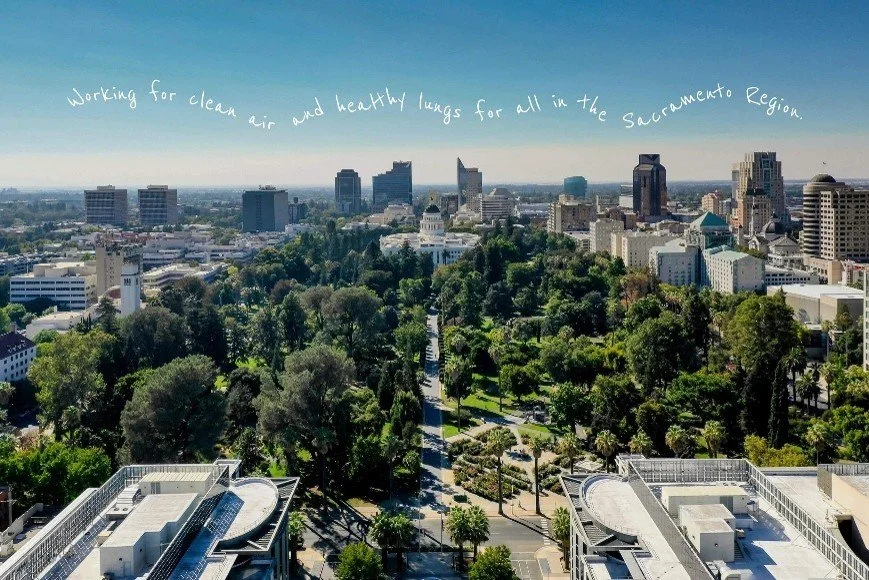
Figure 4: Stock image of a clean Sacramento skyline
This California Clean Air Day, on October 7, CAP celebrates its 40th anniversary. SacBreathe’s CEO, Jennifer Finton, interviewed a few important players fighting for cleaner air in the Sacramento region and a legacy video will be available shortly.
Remember, this California Clean Air Day is a chance for everyone to be part of that effort. Join us in taking the Clean Air Pledge here: https://www.cleanairday.org/pledge/individual/SacBreathe/ to pledge what actions you will take to improve our air quality. Whether you carpool, take transit, bike to work, or explore incentives for an electric vehicle through the Access Clean California benefits finder, small choices add up. Together, we can keep Sacramento moving toward a future where every breath supports healthy lungs.
Partner websites:
Californa Air Resources Board (CARB): https://ww2.arb.ca.gov/
Sacramento Metropolitan Air Quality Management District (SMAQD): https://www.airquality.org/
Sac County Dept. of Public Health: https://dhs.saccounty.gov/us/en/public-health.html
Sacramento Metropolitan Chamber of Commerce: Sacramento Metropolitan Chamber of Commerce
Valley Vision: https://www.valleyvision.org/
Written by: Paige Arnett and Sharon Kaur
Edited by: Nicole Grady and Jennifer Finton
[1] https://www.lung.org/research/sota/city-rankings/states/california/sacramento
[2] https://www.cbsnews.com/sacramento/news/sacramento-air-quality-improvements-spare-the-air/
[3] https://sparetheair.com/preventing-summertime-pollution/
[4] https://www.sacbreathe.org/cleaner-air-partnership
[5] https://www.valleyvision.org/projects/cleaner-air-partnership-cap/
[6] https://www.energy.ca.gov/news/2026-01/california-surpasses-25-million-zev-sales
[7] https://accesscleanca.org/
[8] https://www.energy.ca.gov/publications/2026/sacramento-electric-vehicle-blueprint
[9] https://www.energy.ca.gov/programs-and-topics/programs/clean-transportation-program/clean-transportation-funding-areas-0
