
Introduction
November is National COPD Awareness Month, and at SacBreathe we're taking this moment to shine a light on Chronic Obstructive Pulmonary Disease (COPD), one of the most common lung diseases in the country and one that's closely tied to the air we breathe.
Whether you're living with COPD, caring for someone who is, or simply want to protect your lungs, here's what you should know.
What Is COPD?
COPD is a progressive lung disease that makes it harder to breathe. Many people describe it simply as breathlessness. Common symptoms include:
Shortness of breath that gets worse over time
A frequent cough, with or without mucus
Wheezing
Chest tightness
Unusual tiredness
Because COPD is progressive, symptoms often start mild and worsen over the years. Doctors describe it in four stages: mild, moderate, severe, and very severe. That's why early diagnosis matters so much. Catching COPD early gives you the best chance to slow lung damage and keep living well.
COPD usually takes one or both of two main forms:
Chronic bronchitis irritates and inflames the airways, causing extra mucus and a lingering cough.
Emphysema damages the tiny air sacs in the lungs, lowering the oxygen in your bloodstream and causing shortness of breath.
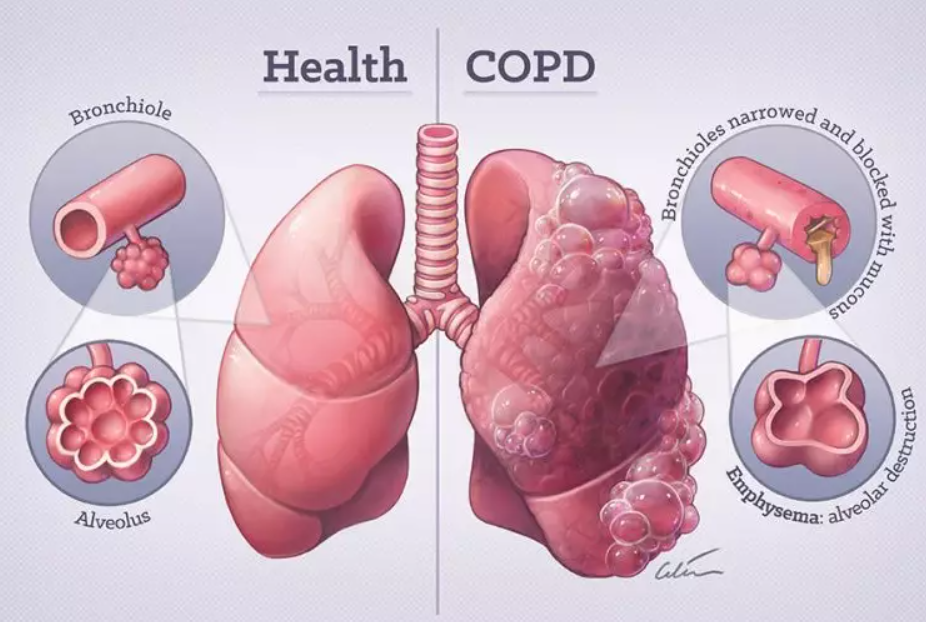
Figure 1: Wellue What is COPD and How Can Pulse Oximeters Help with It?
What Causes COPD, and Who's at Risk?
Smoking is the leading cause of COPD, and breathing secondhand smoke can cause it too. But tobacco isn't the only culprit. Long-term exposure to airborne irritants also plays a major role, including:
Air pollution
Chemical fumes and dust, often at work
Smoke from burning wood or coal
In rare cases, a genetic condition called alpha-1 antitrypsin deficiency can lead to emphysema and COPD.
Sixteen million Americans have been diagnosed with COPD, and millions more may have it without knowing. As exposure to smoke, pollution, and other inhaled irritants continues, cases are expected to rise worldwide.
You may be at higher risk if you:
Are 40 or older
Have asthma
Have had infections such as HIV or tuberculosis
Had severe respiratory infections as a child
Have lungs that didn't fully develop before birth or during childhood
The good news? COPD is often preventable. Quitting smoking and limiting your exposure to polluted air are two of the most powerful steps you can take for your lungs.
How Is COPD Diagnosed?
If you notice symptoms, talk to your doctor. A few simple tests can help confirm a diagnosis:
Spirometry: A quick breathing test that measures how much air you can breathe out and how fast.
Imaging: A chest X-ray or CT scan can reveal lung damage.
Arterial blood gas test: Measures the oxygen and carbon dioxide levels in your blood.
Genetic testing: Checks for alpha-1 antitrypsin deficiency.
Treatment Options
There's no cure for COPD, but many treatments can ease symptoms and help people stay active. Your care team may recommend:
Bronchodilator inhalers to relax and open the airways
Steroids to reduce airway inflammation
Antibiotics to treat or prevent respiratory infections
Oxygen therapy to keep blood oxygen at healthy levels
Pulmonary rehabilitation to build strength and learn better breathing techniques
Smoking cessation programs to help you quit for good
CPAP Machines to increase inspiratory capacity
For more advanced COPD, options include endobronchial valves (small devices placed in the airways to help healthier parts of the lung work better), ventilators for breathing support, and lung transplants.
Know the Signs of a Flare-Up
People with COPD can have flare-ups, also called exacerbations, when symptoms suddenly get worse for a period of time. Lung infections, weather changes, and spikes in air pollution are common triggers. Here in the Sacramento region, that includes wildfire smoke and poor air quality days.
Watch for:
Fever
More shortness of breath or coughing than usual
Needing your rescue inhaler more often
Changes in the color, thickness, or amount of mucus
Unusual tiredness
New or increased swelling in your legs
Talk with your doctor about a plan for flare-ups. Treatment usually includes controller medications to help prevent them and quick-relief medications to open your airways when one happens. On days when air quality is poor, check the local Air Quality Index (AQI) and limit time outdoors.
Breathe Easier This November
COPD affects millions of our neighbors, but awareness, early diagnosis, and cleaner air can make a real difference. This month, consider talking to your doctor about your lung health, checking in on loved ones who smoke or live with breathing problems, and sharing this post with your community.
At SacBreathe, we're committed to healthy lungs and clean air for everyone in our region. We are now accepting gently used CPAP machines to provide to those in need of one, whether it’s due to COPD or other lung-related illnesses. Learn more about our CPAP donation program here: CPAP Machine Donations — Breathe Sacramento. Together, we can help every person breathe a little easier.
For more information on COPD, please consider reviewing the following resources:
https://vhsacramento.com/our-services/respiratory/copd/
Authors: Elizabeth Savin
References:
https://health.ucdavis.edu/conditions/asthma-respiratory/copd
https://www.behealthysacramento.org/indicators/index/view?indicatorId=4145&localeId=271
https://www.copdfoundation.org/Take-Action/Get-Involved/COPD-Awareness-Month.aspx
https://www.resmed.com/en-us/sleep-health/blog/cpap-for-copd-and-sleep-apnea/
